
By the time the first real snowfall arrives in Minnesota, most of us have forgotten about the leaves that fell in October. Unfortunately, your roof hasn’t.
Leaves that collect around commercial roof drains in the fall can remain there long after they’re buried beneath snow, and when Minnesota temperatures start bouncing above and below freezing, those forgotten leaves can become part of a much bigger problem.
The issue isn’t necessarily the snow on your roof, it’s what happens when that snow melts and the water has nowhere to go.
A Small Problem That Starts in the Fall
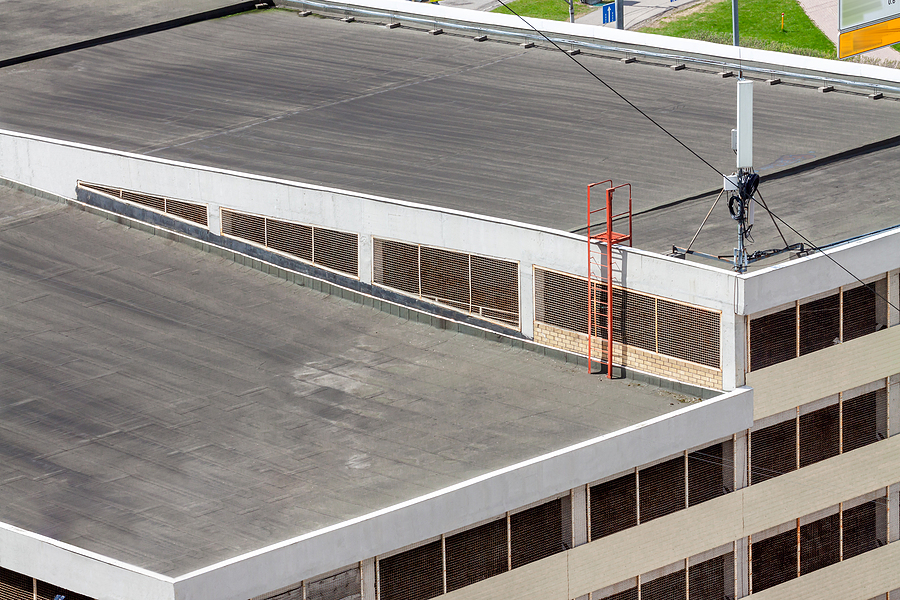
Commercial flat and low-slope roofs are designed to move water toward drains, scuppers, and other designated drainage points. Those low spots also happen to be where leaves and debris naturally collect. Throughout the fall, wind blows leaves across rooftops. Rain carries them toward drains, where they can become trapped around the drain strainer. As more debris accumulates, water flow can become restricted.
At first, the buildup might not look like much. A few leaves, some dirt, maybe a small puddle after a rainstorm, but if that debris isn’t removed before winter, the problem doesn’t simply disappear when the leaves are covered by snow. It waits.
Then Minnesota Does What Minnesota Does
Anyone familiar with Minnesota winters knows the weather doesn’t always cooperate. One week brings snow and freezing temperatures, the next brings sunshine and a few days above freezing. Then, just as quickly, everything freezes again. While that’s business as usual for a Minnesota winter, it can create complications for a commercial roof with restricted drainage.
Here’s how the problem develops:
1. Snow covers the drain. Leaves and debris that collected in the fall are now hidden beneath accumulated snow.
2. A winter thaw begins. Temperatures rise, and melting snow produces water that moves toward the roof’s drainage points.
3. The drain can’t keep up. Debris restricts water flow, allowing meltwater to accumulate where it would otherwise drain away.
4. Temperatures drop again. The standing water begins to freeze, potentially trapping the debris beneath ice and further restricting drainage.
5. The next thaw starts the cycle over. More snow melts, but the drainage obstruction is likely still there.
What could have been a straightforward fall cleanup has now become a winter drainage problem buried beneath snow and ice.
Why Standing Water Matters on a Commercial Roof
Flat roofing systems are designed to handle exposure to rain, snow, and changing temperatures, but that doesn’t mean standing water should be ignored. When water can’t drain as intended, several concerns can develop.
Additional weight
Water is heavy. When drainage is restricted, accumulated water and ice can add unintended load to a roof structure. Significant ponding deserves particular attention, especially on buildings with existing drainage or structural concerns.
Prolonged exposure at roofing details
Seams, flashings, roof drains, and penetrations are important parts of any commercial roofing system. If an existing defect is present, prolonged water accumulation may increase the opportunity for water to enter the roofing assembly or building.
Repeated freezing and thawing
Water that repeatedly freezes and thaws around drains and other roofing details can contribute to difficult winter conditions. Ice accumulation can also make it harder to inspect or address an underlying problem.
More complicated repairs
Removing wet leaves from a drain in October is one thing; investigating that same drain beneath snow and ice in January is another. Winter conditions can complicate access, inspections, and certain roofing repairs. Some work may require additional precautions or different methods because of temperature and weather limitations. Not every blocked drain causes a leak, but keeping drainage paths clear helps eliminate a preventable source of
trouble.
What Should Be Checked Before Winter?
A fall commercial roof maintenance visit should cover more than simply picking up visible leaves.
Important areas to evaluate include:
-
Roof drains and strainers: Remove accumulated leaves, sediment, and debris that could restrict water flow.
-
Scuppers and overflow drains: Check that drainage openings are unobstructed and that visible components are in suitable condition.
-
Roof surfaces: Remove loose debris that could eventually be carried toward drainage points.
-
Membrane seams and flashings: Look for visible damage, deterioration, or areas needing further attention.
-
Low areas and recurring ponding: Identify locations where water accumulates even when drains appear clear.
If a drain remains restricted after surface debris is removed, the drainage piping or other components may require additional evaluation. Because commercial rooftops present fall hazards, access and maintenance should be handled by qualified personnel using appropriate safety procedures.
The Best Time to Prepare for Winter Is Before It Arrives
A commercial roof can be easy to overlook when everything inside the building is dry, but waiting until there’s a leak isn’t much of a maintenance strategy. A fall inspection gives building owners and facility managers an opportunity to identify drainage concerns, address
visible roof damage, and prepare for the changing conditions ahead. Ideally, drainage maintenance should take place after significant leaf drop and before sustained freezing temperatures. Buildings surrounded by trees or prone to debris accumulation may need additional attention.
At Roof Tech, Inc., we work with commercial and industrial roofing systems throughout Minnesota and western Wisconsin. We understand how quickly changing weather conditions can turn a minor roofing concern into an inconvenient winter problem.
Whether it’s routine roof maintenance, drainage concerns, or investigating an existing leak, identifying potential problems early is always worth the effort.
Because the leaves you forget about in October shouldn’t become the reason you’re dealing with a roof problem in January.


SUBMIT YOUR COMMENT